
From 12 January to 12 February of each year, Indonesia observes its National Occupational Health and Safety (K3) Month. This year’s theme is “Membangun Ekosistem Pengelolaan K3 Nasional yang Profesional, Andal, dan Kolaboratif.” What this means is that safety is strongest when it is built into everyday work, supported by systems, and shared across teams.
Palm oil operations involve hands-on work in plantations and mills. Because activities are operational and continuous, safety must be designed into how work is planned and carried out, not added afterward. Tools, machinery, and field tasks are part of normal operations, which is why safeguards, supervision, and preparation play an important role in keeping work running smoothly.
At Asian Agri, safety is treated as a shared responsibility across all parts of the business. The company works to build a safety culture that adapts as operations change. As operations evolve, policies and procedures are reviewed and strengthened to ensure protective measures remain effective for employees and contractors working on site.
This practice reflects the direction of the national K3 agenda. A professional safety ecosystem is built through consistent action. Collaboration takes shape when workers, supervisors, and management share responsibility.
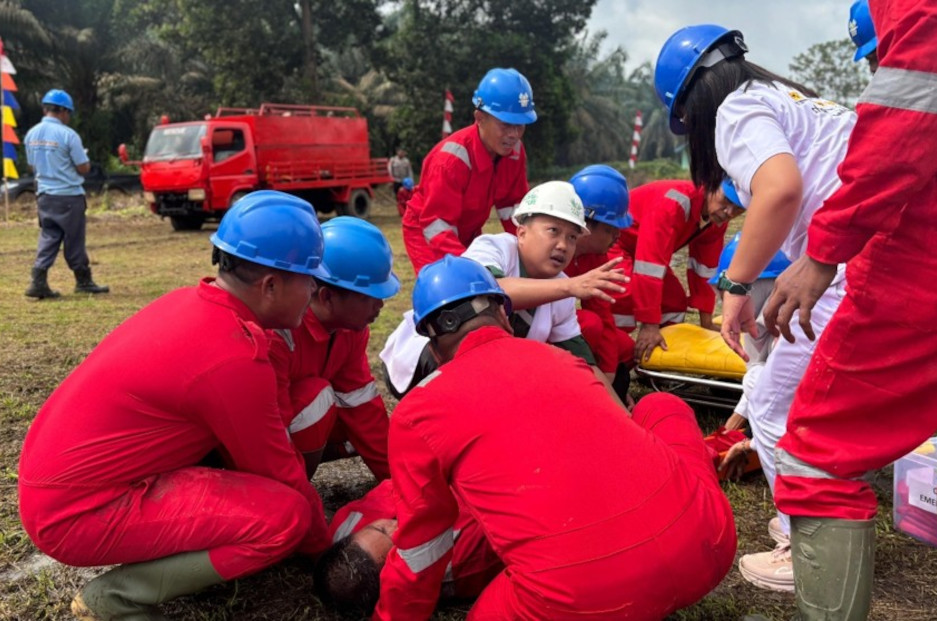
Occupational Health and Safety in Palm Oil Operations
Work in plantations and mills requires coordination, physical activity, and structured processes. Rather than viewing these as obstacles, Asian Agri approaches them as operational realities that must be managed with discipline and preparation.
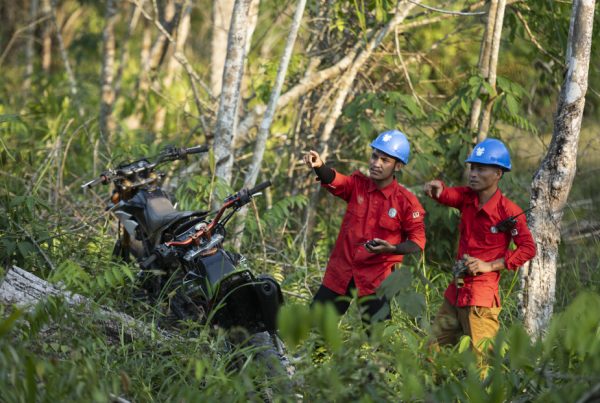
Plantation work includes harvesting, transporting, and maintaining crops across large areas. These activities follow defined procedures and supervision structures to ensure tasks are performed safely and efficiently. During peak harvesting periods, teams plan workloads and monitor conditions so that performance targets and safety standards move together.
Mill operations rely on continuous processing systems. Equipment operates in controlled environments and follows strict operating procedures. Clear communication, task planning, and supervision help ensure that each stage of processing runs according to established safety standards.
In both plantations and mills, the focus is not on the risks themselves, but on how they are anticipated and managed through structured systems. This is where operational discipline supports both productivity and worker protection.
Asian Agri’s Approach to Supporting National K3 Goals Through Responsible Operations
Understanding operational demands is only the first step. Safety depends on preparation, clear controls, and shared responsibility before, during, and after work is carried out. These are the areas where national K3 principles take practical form in Asian Agri’s daily activities.
Managing Risks at the Source
Asian Agri manages occupational risks through a hierarchy of controls. The focus is on reducing exposure as early as possible, starting at the source of the hazard and moving outward, instead of relying on last-minute protection.
This approach is applied in five levels:
- Elimination: Potential safety concerns are removed altogether where possible. This includes discontinuing tools, materials, or methods restricted under national and international regulations.
- Substitution: Where elimination is not feasible, safer alternatives are introduced. In plantation work, this includes electrically insulated harvest poles to strengthen electrical safety when working near overhead lines.
- Engineering controls: Physical measures are built into equipment and workspaces to create separation between workers and operational processes. These include equipment adjustments, designated work zones, barriers, and ventilation systems. Re-entry boards are placed in areas where crop protection activities have taken place to guide safe access timing.
- Administrative controls: Clear procedures guide how work is planned and carried out. Field teams complete a Job Safety Analysis before undertaking more complex tasks to ensure the right preparation and safeguards are in place.
- Personal protective equipment (PPE): PPE is used as a final layer of protection. Workers are required to wear appropriate equipment, including helmets, gloves, boots, masks, goggles, earmuffs, and high-visibility clothing, based on work conditions.
Working Together on Safety
Systems are effective when people apply them consistently. That requires communication and shared responsibility.
Before tasks begin, workers and supervisors discuss work plans and confirm safety measures. Questions are addressed on the spot. Feedback from these discussions informs future updates to procedures so that guidance reflects actual field conditions.
Foremen and worker representatives participate in regular OHS meetings and field observations. Their involvement ensures that safety practices remain practical and grounded in daily operations. Workers are expected to report hazards or changing conditions that may affect how tasks are carried out.
If a work situation is considered unsafe, workers are encouraged to stop the task and report it to their supervisor or the OHS Officer. All incidents and near misses, defined as unplanned events with the potential to cause harm or disruption, are reported for review and preventive follow-up.
This approach reinforces that safety is shared and embedded into operational ownership at every level.
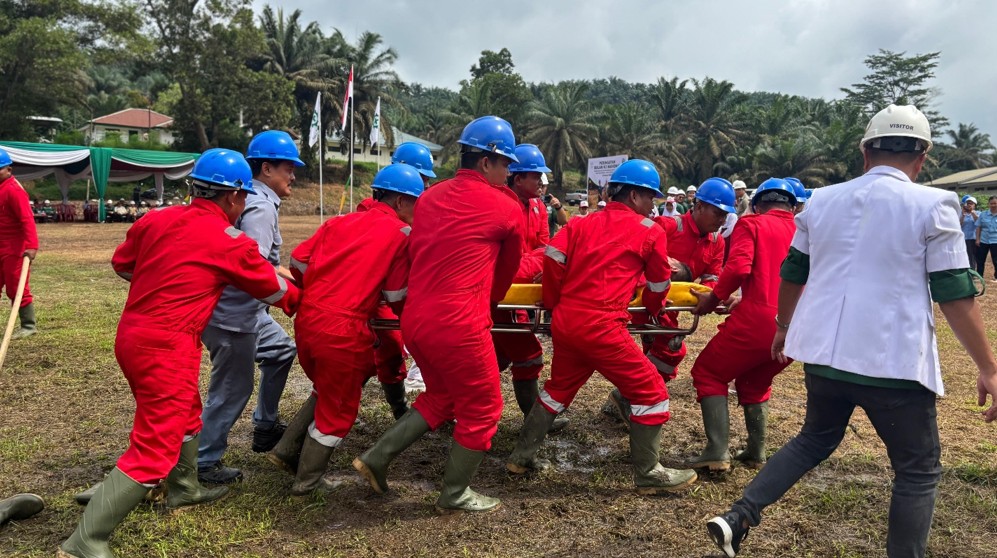
Keeping Safety Consistent Through Training
Training connects policy to practice. At Asian Agri, training is designed around the specific tasks performed in plantations and mills.
Across all operations, Health and Safety Committees conduct regular training sessions focused on practical workplace needs. Topics cover safe work procedures, risk awareness, responsible handling of materials, and preparedness for site requirements. Feedback from participants is used to continuously improve future sessions.
Daily briefings are held before work begins. These short sessions reinforce proper equipment use, task planning, and safe work practices. This routine supports consistency and strengthens awareness across shifts.
Safety messages are reinforced through monthly bulletins and clear signage across our sites. Keeping guidance visible where work happens helps make safety part of daily routines and decisions.
Keeping Safety Part of Daily Operations
National K3 Month is a reminder that a strong safety culture is built through consistency and long-term commitment. In operational industries, it is reflected in everyday decisions, clear procedures, and how work is carried out across every shift.
At Asian Agri, safety is integrated into responsible and sustainable operations. It is supported by shared responsibility, structured systems, and practical habits on the ground. Ultimately, K3 is about creating a work environment where people can carry out their roles with confidence and return home safely at the end of each day.
Frequently Asked Questions (FAQs)
- What is National K3 Month in Indonesia?
National K3 Month is an annual observance held from 12 January to 12 February to strengthen awareness and implementation of occupational health and safety practices across Indonesia. It encourages organizations to build professional, reliable, and collaborative safety systems in the workplace.
- Why is occupational health and safety important in palm oil operations?
Occupational health and safety is important in palm oil operations because plantation and mill activities are operational and hands-on. Structured procedures, supervision, and training help ensure that work is carried out safely, consistently, and in line with national standards.
- How does Asian Agri manage occupational health and safety risks?
Asian Agri manages occupational health and safety through a structured hierarchy of controls. This includes eliminating restricted materials, introducing safer alternatives where possible, applying engineering and administrative safeguards, and requiring appropriate personal protective equipment. This systematic approach supports prevention and operational reliability.
- How are workers involved in workplace safety at Asian Agri?
Asian Agri promotes shared responsibility for safety. Workers, supervisors, and management discuss tasks before work begins, participate in Health and Safety Committee activities, report hazards and near misses, and are encouraged to stop work if conditions are unsafe. This helps maintain accountability at every level.
- What role does training play in Asian Agri’s OHS approach?
Training is central to Asian Agri’s occupational health and safety approach. Workers receive regular, task-based training and participate in drills covering safe work practices, emergency response, and risk identification. Daily briefings and visible safety reminders reinforce consistent standards across sites.
- How does Asian Agri align its safety practices with national K3 goals?
Asian Agri aligns its safety practices with national K3 goals by embedding structured procedures, ongoing training, and shared accountability into daily operations. Safety is integrated into responsible and sustainable operations, supporting workforce wellbeing and long-term operational continuity.